

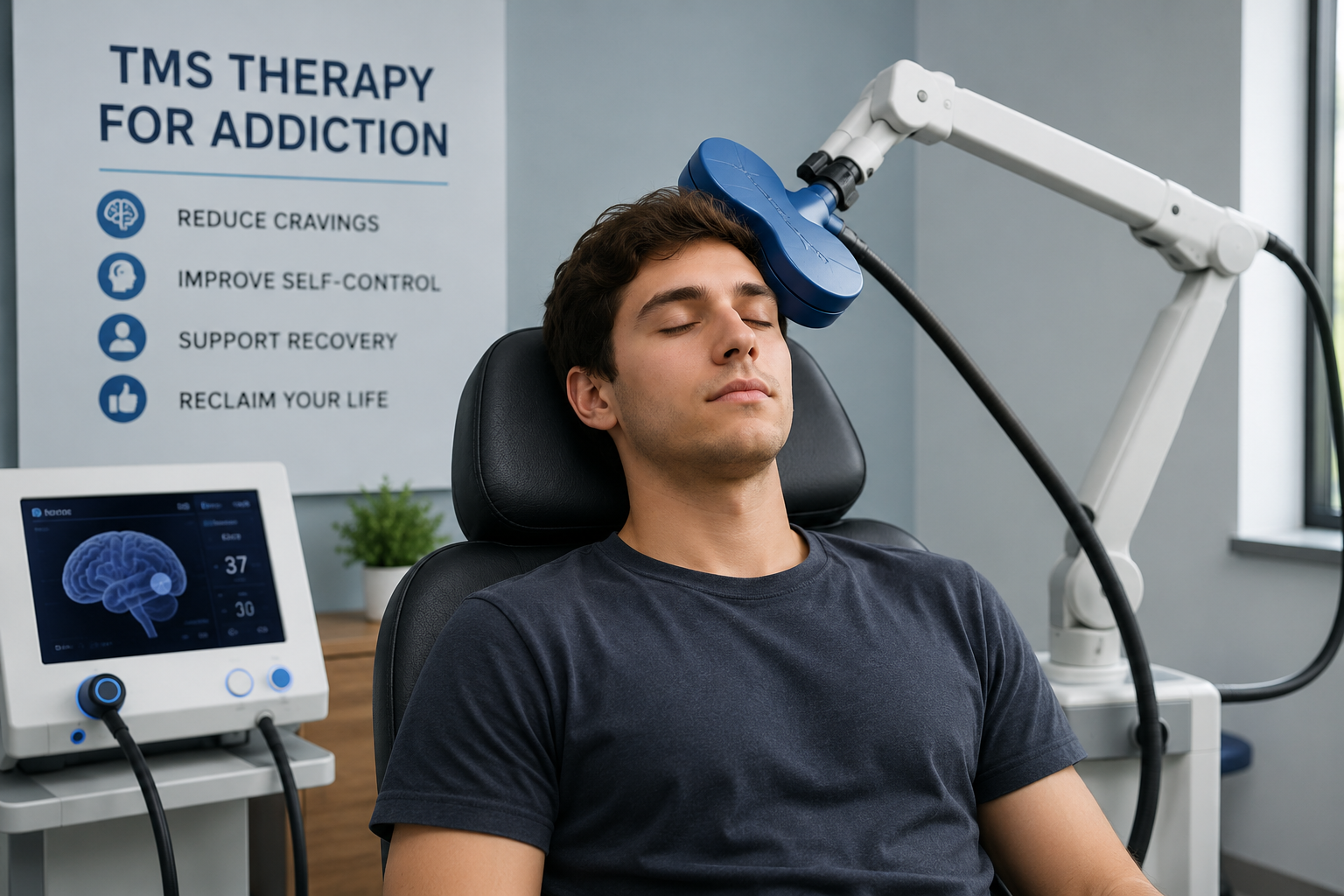
How Transcranial Magnetic Stimulation (TMS) Is Being Used to Treat Addiction – Addiction can affect nearly every part of a person’s life, including mental health, relationships, work, and physical well-being. While traditional addiction treatment often includes counseling, medication, rehabilitation programs, and support groups, researchers are now exploring newer approaches that target the brain directly. One of the most promising options is Transcranial Magnetic Stimulation, also known as TMS.
At Neurostem TMS Louisiana, patients are learning how advanced, noninvasive brain stimulation therapies may help people struggling with addiction and substance use disorders.
What Is Transcranial Magnetic Stimulation (TMS)?
Transcranial Magnetic Stimulation is an FDA-cleared treatment that uses gentle magnetic pulses to stimulate specific areas of the brain. TMS does not require surgery, anesthesia, or medications. During treatment, a magnetic coil is placed against the scalp, where it delivers targeted pulses to brain regions involved in mood, decision-making, cravings, and self-control.
TMS is most widely known for treating depression, especially treatment-resistant depression, but researchers and addiction specialists are increasingly studying how it may help reduce cravings and addictive behaviors.
How TMS Works for Addiction Treatment
Addiction changes the way the brain functions. Many addictive substances and behaviors affect the brain’s reward system, especially areas connected to dopamine, impulse control, and emotional regulation.
One of the primary brain regions targeted during TMS treatment is the prefrontal cortex. This part of the brain helps control:
- Decision-making
- Impulse control
- Emotional regulation
- Motivation
- Craving management
In people with addiction, these brain circuits can become disrupted or underactive. TMS works by stimulating these areas to help normalize brain activity.
The treatment may help by:
- Reducing cravings
- Improving impulse control
- Decreasing anxiety and depression associated with addiction
- Enhancing mood and motivation
- Supporting recovery alongside counseling and therapy
Researchers believe that repeated magnetic stimulation can help retrain brain pathways involved in compulsive behaviors and substance dependence.
Types of Addiction TMS May Help Treat
Although research is still evolving, TMS has shown encouraging results for several types of addiction and substance use disorders.
Alcohol Addiction
Alcohol Use Disorder is one of the most studied addictions in TMS research. Some studies suggest that TMS may reduce alcohol cravings and help patients maintain sobriety longer when combined with traditional treatment programs.
Many patients report fewer urges to drink after multiple treatment sessions.
Nicotine and Smoking Addiction
TMS has shown promise for helping people stop smoking and reduce nicotine cravings. In fact, certain TMS protocols have received FDA clearance for smoking cessation.
Nicotine Dependence can be difficult to overcome because nicotine strongly affects the brain’s reward system. TMS may help weaken those craving pathways over time.
Opioid Addiction
Opioid Use Disorder continues to be a major public health concern in the United States. Researchers are studying whether TMS can help reduce opioid cravings and support long-term recovery.
While TMS is not considered a standalone cure for opioid addiction, it may become an important supportive therapy in comprehensive treatment plans.
Cocaine and Stimulant Addiction
Studies involving cocaine and methamphetamine addiction have also produced promising early results. Some patients experience reduced cravings and improved emotional regulation after TMS sessions.
Behavioral Addictions
Researchers are also exploring TMS for behavioral addictions, including:
- Gambling addiction
- Internet addiction
- Gaming addiction
- Food addiction
Because these conditions involve many of the same brain reward pathways as substance addiction, TMS may help reduce compulsive urges and improve self-control.
What a TMS Session Is Like
At Neurostem TMS Louisiana, TMS treatments are performed in a comfortable outpatient setting under medical supervision.
A typical session includes:
- Sitting comfortably in a treatment chair
- Placement of a magnetic coil near the scalp
- Delivery of gentle magnetic pulses
- Remaining awake and alert throughout treatment
Most sessions last between 20 and 40 minutes, depending on the treatment protocol.
Patients can usually drive themselves home and return to normal daily activities immediately afterward.
Is TMS Safe?
TMS is considered a safe and well-tolerated treatment for many patients. The most common side effects are mild and temporary, including:
- Scalp discomfort
- Mild headache
- Tingling sensations
- Temporary facial muscle twitching
Serious side effects are rare when treatment is provided under proper medical supervision.
How Effective Is TMS for Addiction?
Research on TMS for addiction continues to grow rapidly. While results vary between individuals, many studies have shown meaningful reductions in cravings and improvements in mood and impulse control.
TMS may be especially helpful for people who:
- Have not responded well to traditional addiction treatment
- Struggle with co-occurring depression or anxiety
- Experience intense cravings
- Need additional support during recovery
Most experts agree that TMS works best as part of a larger recovery plan that may include:
- Counseling
- Behavioral therapy
- Support groups
- Medical care
- Lifestyle changes
TMS and Mental Health Conditions
Many people with addiction also struggle with depression, anxiety, PTSD, or OCD. Since TMS is already FDA-cleared for certain mental health conditions, treating these underlying issues may also help improve addiction recovery outcomes.
At Neurostem TMS Louisiana, patients may benefit from an integrated approach that focuses on both mental health and brain-based treatment options.
Why Interest in TMS for Addiction Is Growing
The addiction crisis has created an urgent need for new treatment approaches. Many patients are searching for therapies that are:
- Drug-free
- Noninvasive
- Low risk
- Evidence-based
- Able to target the brain directly
TMS offers a unique approach because it focuses on the neurological patterns involved in addiction rather than simply treating symptoms alone.
As research continues, experts believe TMS may become an increasingly important tool in addiction medicine.
Learn More About Neurostem TMS Louisiana
Neurostem TMS Louisiana provides advanced Transcranial Magnetic Stimulation treatment in Louisiana for patients seeking innovative options for mental health and neurological care.
Patients interested in learning more about TMS for addiction, depression, anxiety, OCD, or other conditions can contact the clinic to discuss whether TMS may be an appropriate option for their situation.
