Medication-Resistant Major Depressive Disorder (MDD) is one of the most common and debilitating mental health conditions worldwide. While antidepressant medications and psychotherapy help many people, up to one-third of patients do not experience adequate relief from medications alone. This condition is often referred to as medication-resistant (or treatment-resistant) depression.
For individuals who feel stuck after trying multiple medications, Transcranial Magnetic Stimulation (TMS) offers a science-backed, non-invasive treatment option that works differently from traditional therapies.
What Is Transcranial Magnetic Stimulation (TMS)?
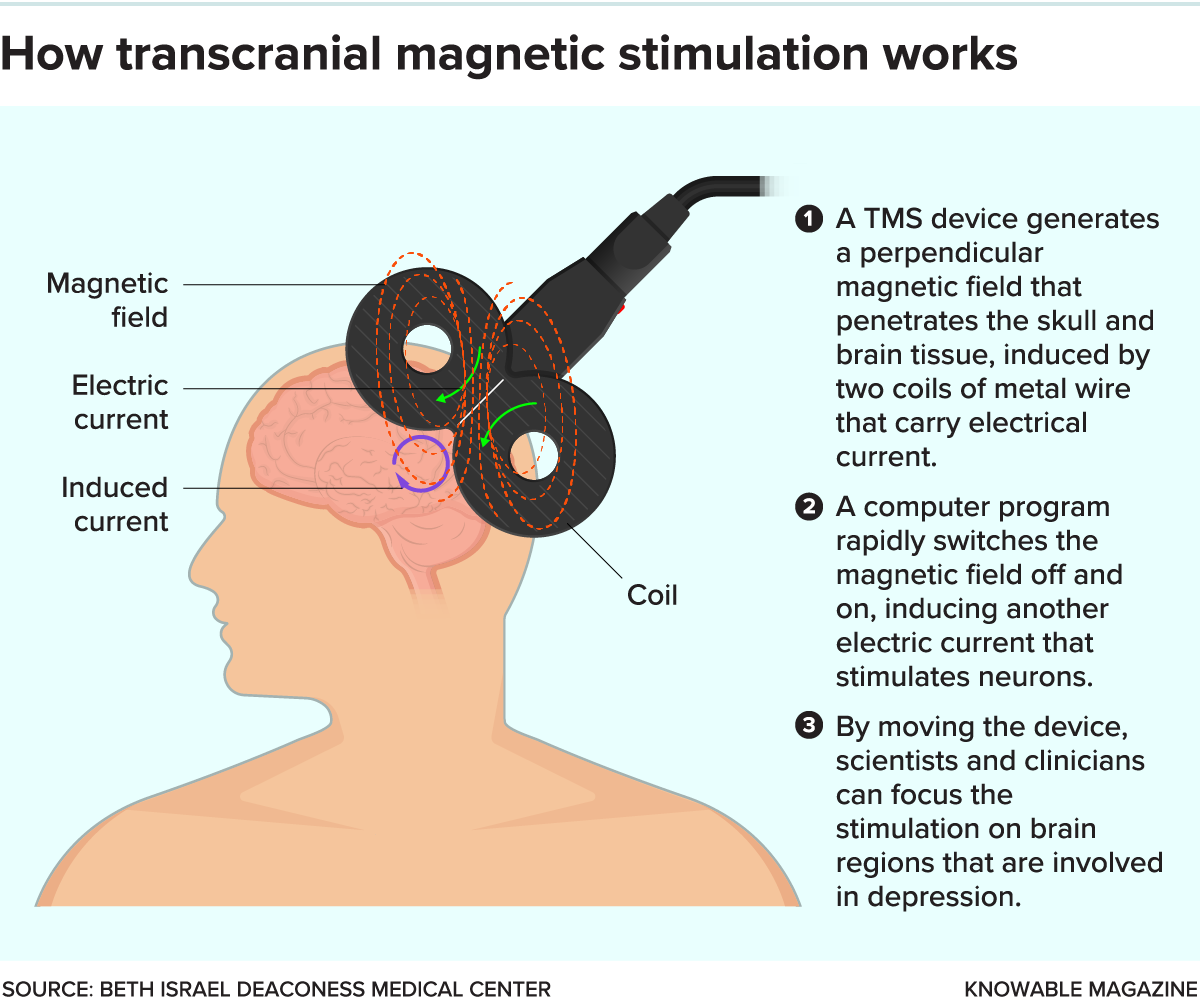
Transcranial Magnetic Stimulation is a non-invasive neuromodulation therapy that uses focused magnetic pulses to stimulate specific areas of the brain involved in mood regulation—most commonly the left dorsolateral prefrontal cortex, an area shown to be underactive in people with depression.
Unlike medications, which affect the entire body, TMS targets brain circuits directly, helping restore normal communication patterns associated with mood and motivation.
TMS is cleared by the U.S. Food and Drug Administration for the treatment of Major Depressive Disorder in adults who have not responded adequately to antidepressant medications.
What Is Medication-Resistant Major Depressive Disorder?
Medication-resistant (or treatment-resistant) depression is typically defined as:
- Failure to respond to two or more antidepressant medications
- Medications taken at adequate doses for a sufficient duration
- Persistent depressive symptoms that significantly impair daily functioning
Common symptoms may include:
- Ongoing sadness or emotional numbness
- Loss of interest or pleasure
- Fatigue and low energy
- Sleep disturbances
- Difficulty concentrating
- Feelings of hopelessness
When medications are ineffective—or cause intolerable side effects—many patients begin searching for alternatives that do not rely on systemic drugs.
How TMS Treats Medication-Resistant Depression
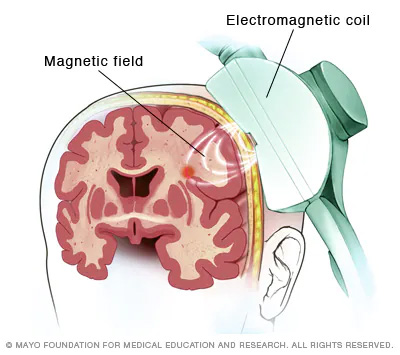
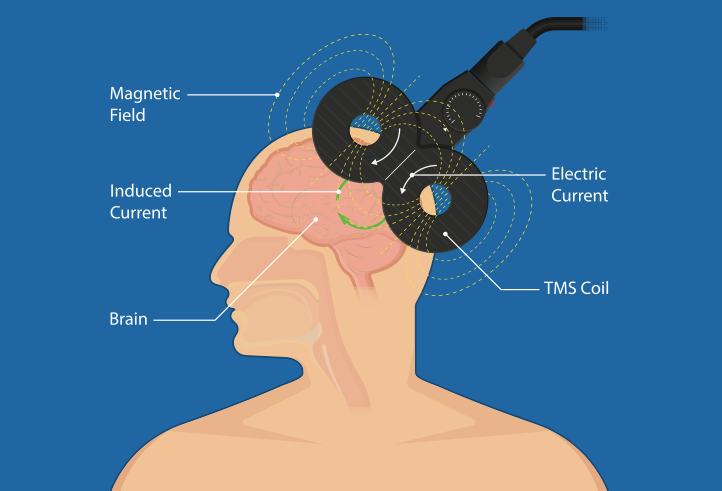
TMS works by delivering repetitive magnetic pulses through a coil placed gently against the scalp. These pulses create small electrical currents in targeted brain tissue, encouraging healthier neural activity over time.
Key characteristics of TMS treatment:
- Non-invasive (no surgery or anesthesia)
- Performed in an outpatient setting
- Sessions typically last 20–40 minutes
- Administered 5 days per week for 4–6 weeks
- Patients remain awake and alert during treatment
Over the course of treatment, many patients experience gradual and sustained improvement in depressive symptoms, even after years of unsuccessful medication trials.
Effectiveness of TMS for Treatment-Resistant Depression
Clinical studies and real-world data show that TMS can be highly effective for people with medication-resistant MDD:
- Response rates (significant symptom improvement): ~60–70%
- Remission rates (minimal or no symptoms): ~30–40%
- Benefits often persist months to years, especially with maintenance strategies
For many patients, TMS represents the first treatment that meaningfully improves their depression after multiple medication failures.
Advantages of TMS Compared to Antidepressant Medications
TMS offers several benefits that make it especially appealing for medication-resistant depression:
✔ Minimal Side Effects
- No weight gain
- No sexual dysfunction
- No gastrointestinal effects
- No sedation or cognitive dulling
✔ No Systemic Medication
- Does not circulate through the bloodstream
- Safe for patients sensitive to medications
✔ Compatible With Other Treatments
- Can be used alongside antidepressants or psychotherapy
- Does not require stopping current medications in most cases
The most common side effects are mild scalp discomfort or headache during early sessions, which usually resolve quickly.
Who Is a Good Candidate for TMS?
You may be a good candidate for TMS if you:
- Have been diagnosed with Major Depressive Disorder
- Have not responded to multiple antidepressant medications
- Cannot tolerate medication side effects
- Prefer a non-drug, non-invasive treatment
- Do not have contraindications such as certain implanted metal devices
A qualified medical provider will perform a thorough evaluation to determine eligibility.
Frequently Asked Questions About TMS for Depression
Is TMS safe?
Yes. TMS has been extensively studied and has a strong safety profile when delivered under medical supervision.
Does TMS hurt?
Most patients describe the sensation as tapping or clicking on the scalp. Discomfort is usually mild and temporary.
Will I need maintenance treatments?
Some patients benefit from periodic maintenance sessions, while others maintain improvement without additional treatment.
How soon will I feel better?
Some patients notice improvement within 2–3 weeks, while others improve gradually over the full treatment course.
A Promising Option for Medication-Resistant Depression
Living with medication-resistant Major Depressive Disorder can feel exhausting and discouraging—but effective options do exist. Transcranial Magnetic Stimulation offers a proven, non-invasive approach that addresses depression at its neurological source, without the burden of systemic medication side effects.
If antidepressants haven’t worked for you, TMS may represent a meaningful step forward toward relief, clarity, and renewed quality of life.
Looking for more information about TMS for treatment-resistant depression?
A consultation with a qualified TMS provider can help determine whether this therapy is right for you.
[wpforms id=”58819″]